
Minna Tarkka Lectures 2026
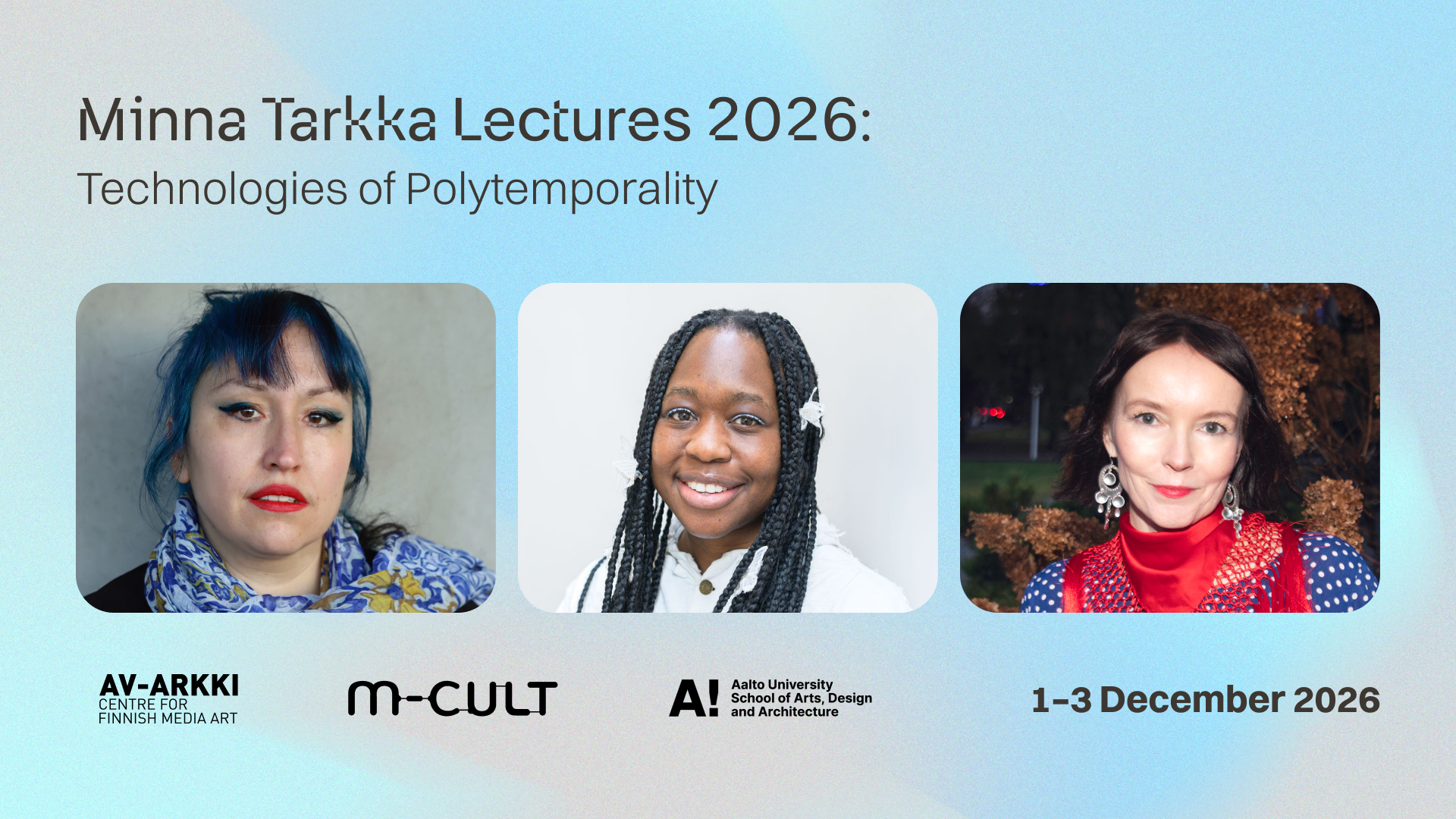

Technologies of Polytemporality
Lectures, workshops, a screening and food installation
1–3 December 2026
At Cinema Orion (Eerikinkatu 15) and AV-arkki (Töölönkatu 11 A)
Access information: Cinema Orion / AV-arkki
Sign up for all events / Watch the livestream of the lectures on 2 December 12–4 pm (UTC+2)
Keynotes Marja Helander, Chipo Mapondera and Paola Torres Núñez del Prado, also featuring Dahlia El Broul, Doğa Çal, Manthia Diawara, Taru Elfving, Arttu Nieminen, Orlan Ohtonen, Hans Pieski and Matti Pohjonen

In the third edition of Media Culture and Art Agency M-Cult’s Minna Tarkka Lectures, we invite you to join us in speculating, questioning and dreaming with multiplicity of temporalities and their possibilities.
The term polytemporality invites us to explore and experience time as place-based, relational and multi-layered. From this perspective, time is no longer a straight line running from past to future, but a landscape where ancestral knowledge, everyday life and imagined futures co-exist.
This year, the Minna Tarkka Lectures present three lectures and two workshops, together with film screenings and a shared meal, to explore polytemporal technologies, where different timelines, periods, ages and temporal planes exist simultaneously. The programme challenges the boundaries between past and future, ancestors and algorithms, rituals and codes, bodies and machines, breaking the causal chains set by capitalist extraction and by the monocultural, monotemporal and fast-paced world that Big Tech is pushing us towards.

Where the past lies ahead: about the programme
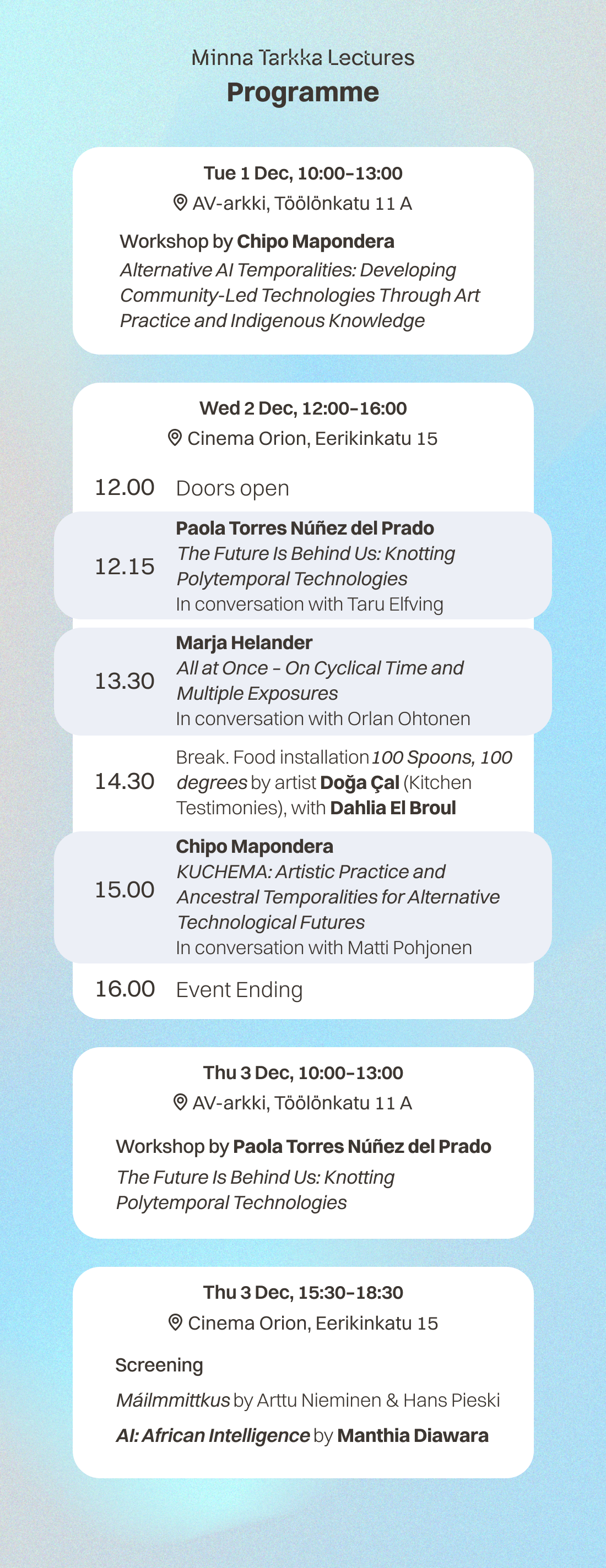
Among the Aymara, an Indigenous People of the Andean highlands of Bolivia, Peru and Chile, the past lies ahead, in view, while the future is behind us, unseen. Artist and researcher Paola Torres Núñez del Prado introduces this notion, qhipa nayra, in her lecture and workshop, which invite audiences to think and build together around the question of what it means to see technology as a practice rather than a tool, and time not as a straight line but as layers that co-exist.
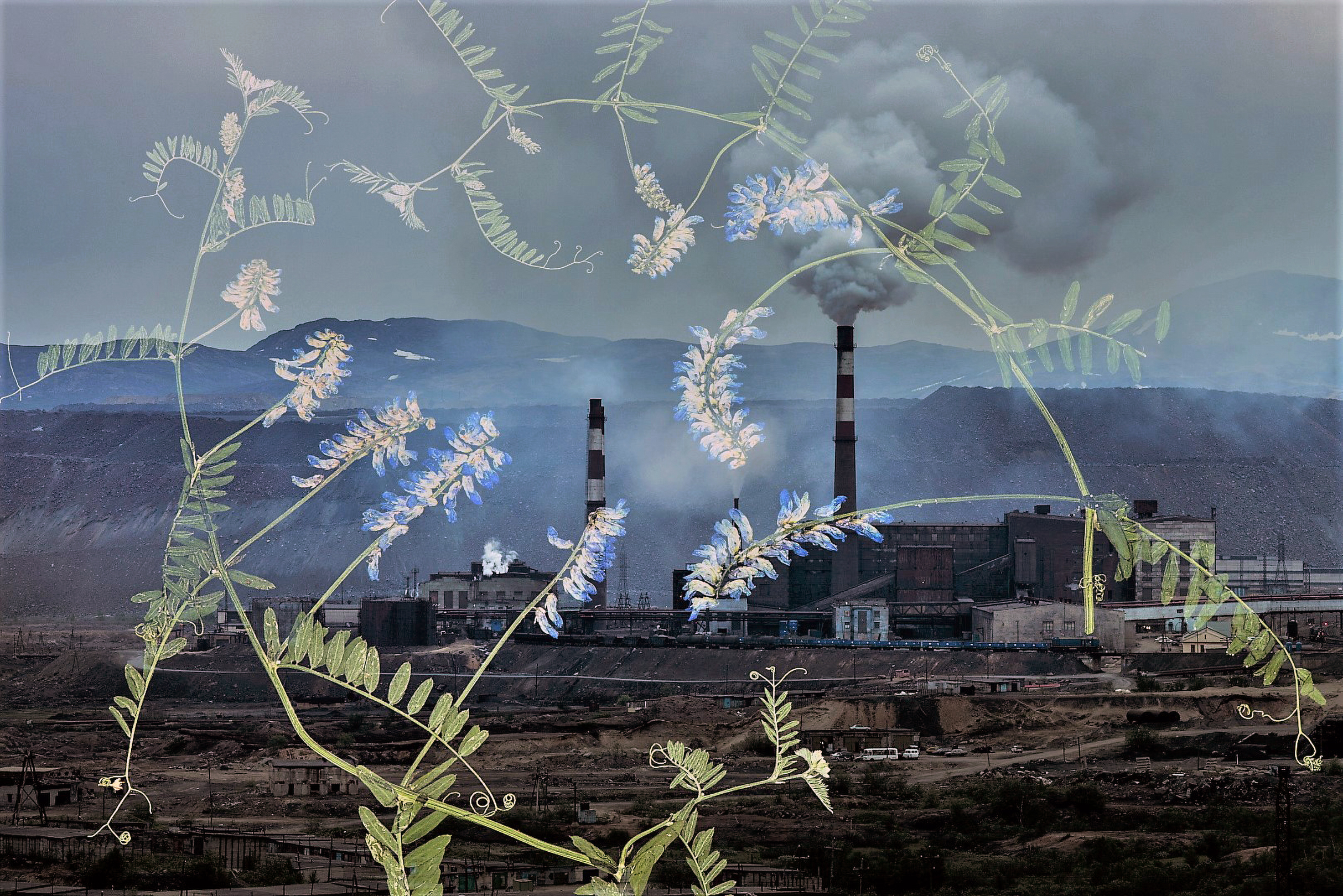
Photographer and filmmaker Marja Helander introduces the Sámi understanding of time as cyclical, shaped by the annual cycle of reindeer herding and a traditional calendar of eight seasons rather than four. Her lecture shows how photography and film can bring different eras and generations into the same frame.
Artist and creative technologist Chipo Mapondera guides our thinking by asking what technology might become when it is shaped by ancestral knowledge, ecological relationships and collective future imaginaries. Her artistic research project KUCHEMA has connected with communities in Zimbabwe and Tunisia, and now in Finland, exploring how Indigenous knowledge, cultural practices and community imagination might inform alternative approaches to AI development.
The lectures open into conversations with invited respondents, curators Taru Elfving and Orlan Ohtonen, and senior researcher Matti Pohjonen.
To further investigate technology as an open practice entangling our social, material and bodily spaces, we celebrate the preparing and sharing of food as a vital medium that builds temporal infrastructures for community. When did you last consider your needs around food? Doğa Çal’s Kitchen Testimonies, in dialogue with curator Dahlia El Broul, asks audiences to examine the tools, habits and interdependencies that shape how we arrive at the table.
In his essay film AI: African Intelligence, writer and filmmaker Manthia Diawara brings possession rituals in Senegalese fishing villages into the same frame as the emerging technology known as artificial intelligence. The short film Máilmmittkus by artists Arttu Nieminen and Hans Pieski takes you on a surreal journey into the complex relationship between Indigenous Peoples and the unstoppable force of technological progress.


About the Minna Tarkka Lectures Series
Minna Tarkka Lectures is an experimental public forum and learning initiative that amplifies critical practices in the arts and media and opens debate on the artistic, social and technological currents of our time. Since 2024, the annual programme has created space for dialogue on the role of art and media as active contributors to civil society, at a time when democratic life faces serious challenges.
Minna Tarkka Lectures 2026 is produced by Media Culture and Art Agency M-Cult, in collaboration with AV-arkki, Centre for Finnish Media Art, and Aalto Media Lab, supported by the Finnish Arts and Culture Agency. The programme is realised in partnership with Hotel Ax.
Schedule
1–3 December 2026, Helsinki

About the Contributors
Key notes
Marja Helander is a Sámi photographic and video artist from Finland. In her art, she has photographed the Fennoscandia region, exploring the impact of mining on the sensitive northern nature. Helander emphasises the dependence between people and nature. Helander’s video works are playful, exploring the contradiction between the traditional Sámi way of life and modern society.
Her short film Birds in the Earth won the Risto Jarva Prize at Tampere Film Festival 2018. It was also part of the Sundance Film Festival 2019 short film competition. Her latest short film Mu gieđas – In My Hand (2025), directed together with Liselotte Wajstedt, had its premiere at Tromsø International Film Festival 2025 and won the Tromsø Palm for best short film. Since then, the film has toured the world at around 30 film festivals, including Sydney Film Festival and Hot Docs in Canada, and won several prizes.
Marja Helander has presented her art in solo and group exhibitions both in Finland and abroad, in recent years e.g. at the National Gallery of Art in Vilnius, Harbourfront Centre in Toronto, the Aejlies Sami Centre in Tärnaby, Galeria do Paço in Braga, Portugal, Kode Bergen Art Museum, Akureyri Art Museum in Iceland, RKK Museum in Hamburg, MASP Museu de Arte de São Paulo, Sven-Harrys Konstmuseum in Stockholm, the National Gallery of Canada in Ottawa and the IAIA Museum of Contemporary Native Arts in Santa Fe. Her works are also held in various public collections in Finland and abroad. She received the Finland Prize in 2019 and the Pro Finlandia medal in 2021.
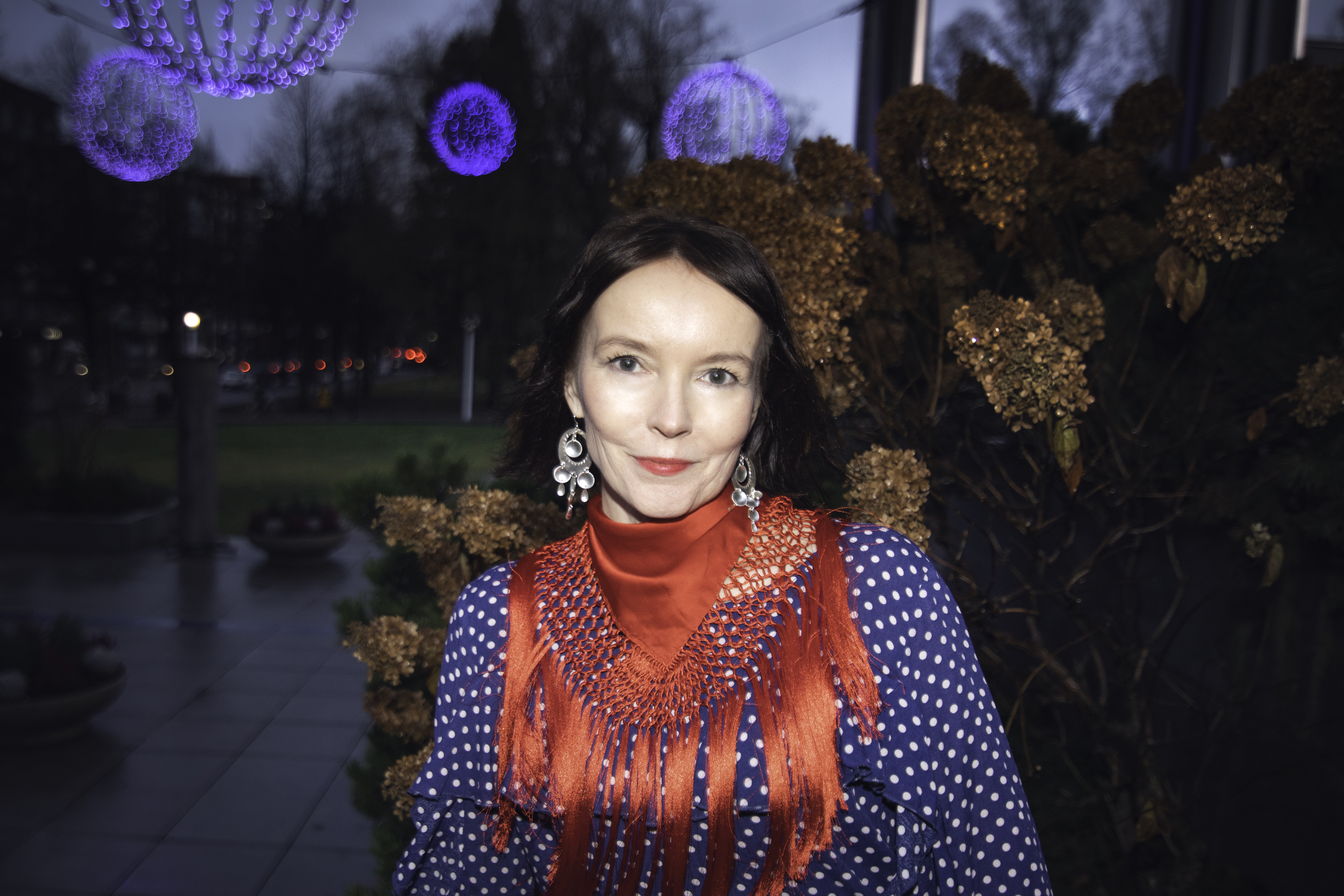

Chipo Mapondera is a Zimbabwean artist and creative technologist whose practice reimagines AI and immersive technologies through Indigenous knowledge, ritual and ceremony. Working across immersive installation, film, sound and interactive media, Chipo creates embodied experiences that explore water, climate, cultural memory and alternative technological futures rooted in care, reciprocity and ancestral ways of knowing.
Chipo’s work emerges through community co-creation, living archives and long-term collaborations with Indigenous and local communities, examining how ancestral knowledge can inform more relational approaches to technology and environmental stewardship. In 2026, during her time in the NEW INC Y12 at the New Museum in New York, Chipo launched KUCHEMA, a multi-country, multi-year artistic research project activating Indigenous water knowledges with emerging technologies. Developed alongside Cry to the Water, commissioned through the S+T+ARTS Afropean Intelligence Residency in Tunisia, her current practice investigates AI as a ceremonial and cultural system, reconnecting technology with place, community and ecological responsibility. Chipo’s maternal roots flow from the Dziva totem, the sacred pool of life and abundance, a lineage of water and ceremony that continues to reveal itself through this work.
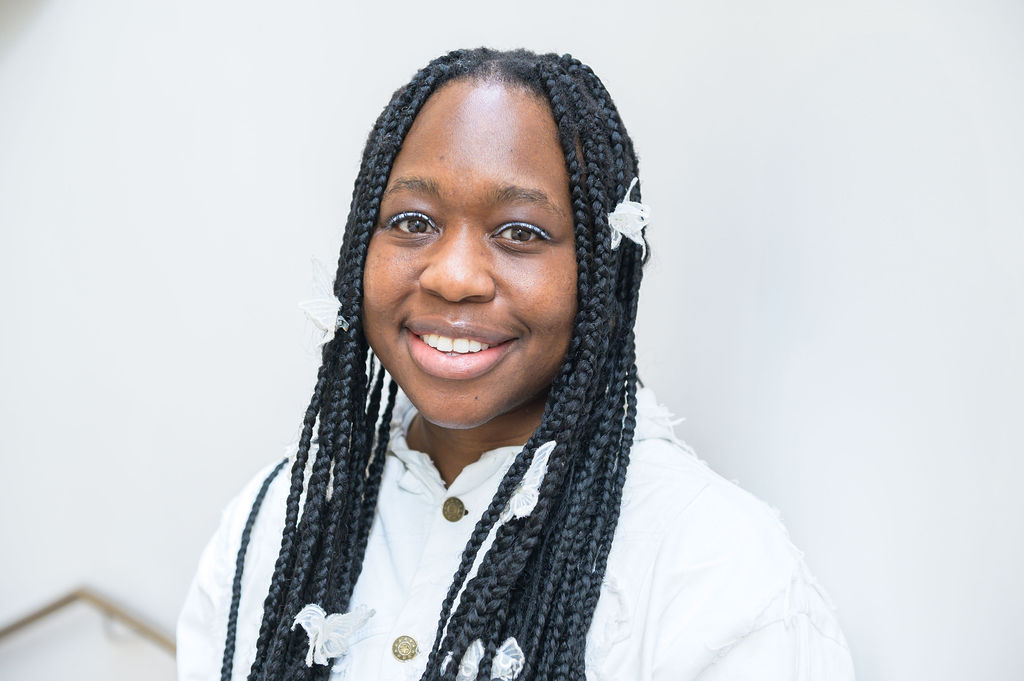

Paola Torres Núñez del Prado is a Peruvian artist and researcher based in Stockholm, working across textiles, sound, bio-art and artificial intelligence. Over nearly two decades, her practice has rethought computation through Andean epistemologies, especially the khipu, the knotted-cord recording system of the Andes. Within the frameworks she calls Andean Technogenesis and the neokhipukamayoq practice, she develops living textile systems that integrate lichens, conductive threads and electronics, as well as computational analyses of historical khipu and sound installations. She is a doctoral researcher in the Media department at Stockholm University of the Arts (SKH), where she leads the KAIA Critical AI Working Group.
Her work has received an Honorary Mention at the Prix Ars Electronica (2021) and the S+T+ARTS Prize (2026), the Google Artists + Machine Intelligence grant, and was a 2026 Lumen Prize finalist. Her works are in the permanent collections of the Swedish Public Art Agency and Malmö City Museum. She has exhibited widely across Latin America and Europe.

With
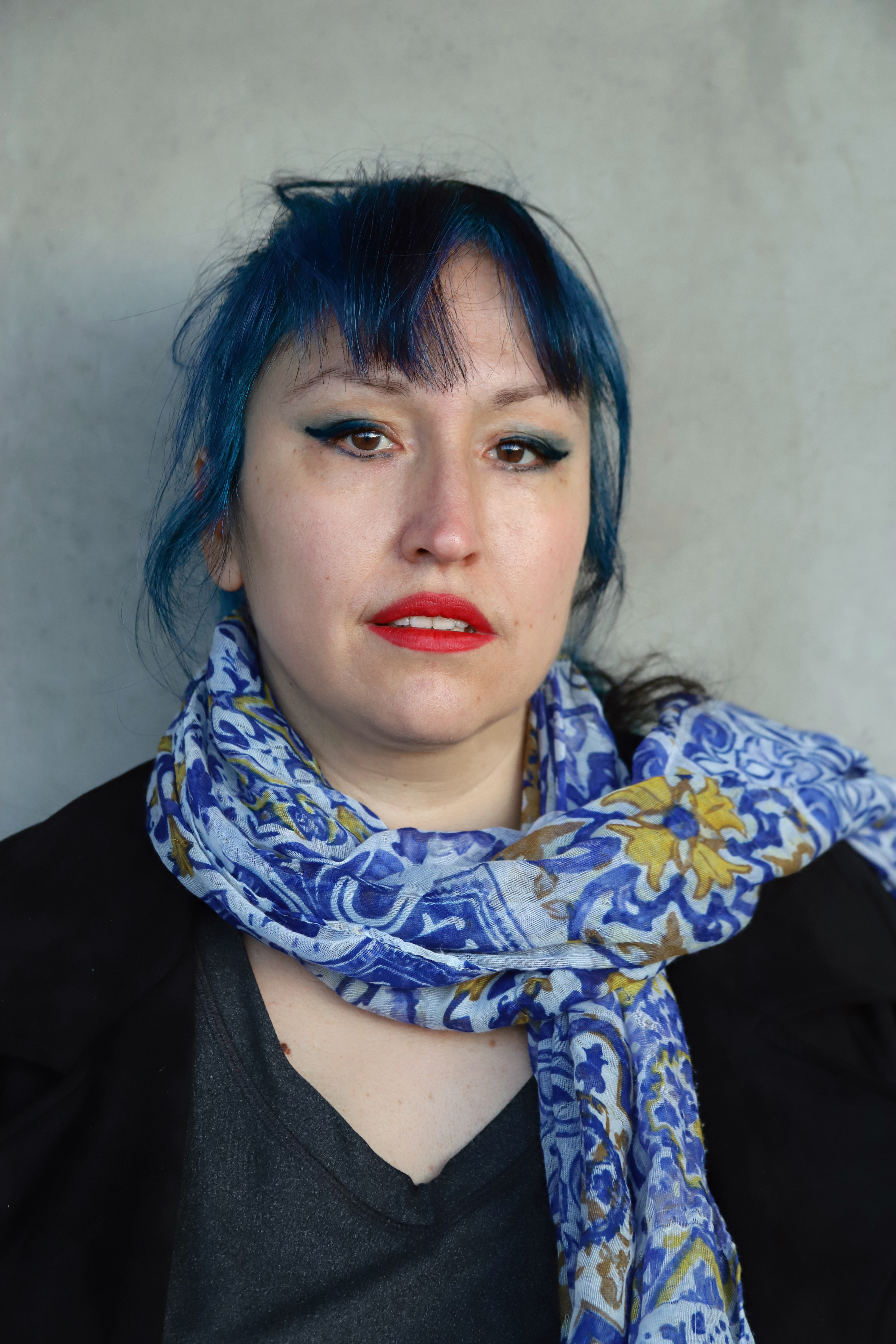
Dahlia El Broul is a curator, educator, and artist based in Espoo, originally from New York City. Her work moves across cultural production engaging with critical political inquiries, pedagogy, publishing, and collective imaginaries through feminist and dialogical methods. She has curated exhibitions in Helsinki and New York; most recently Something in the Mouth (2026) at Asbestos Gallery and Multitudes of Blue (2025) at Photographic Gallery Hippolyte. Dahlia is currently completing her doctorate at the HFBK Hamburg, supported by the Kone Foundation.
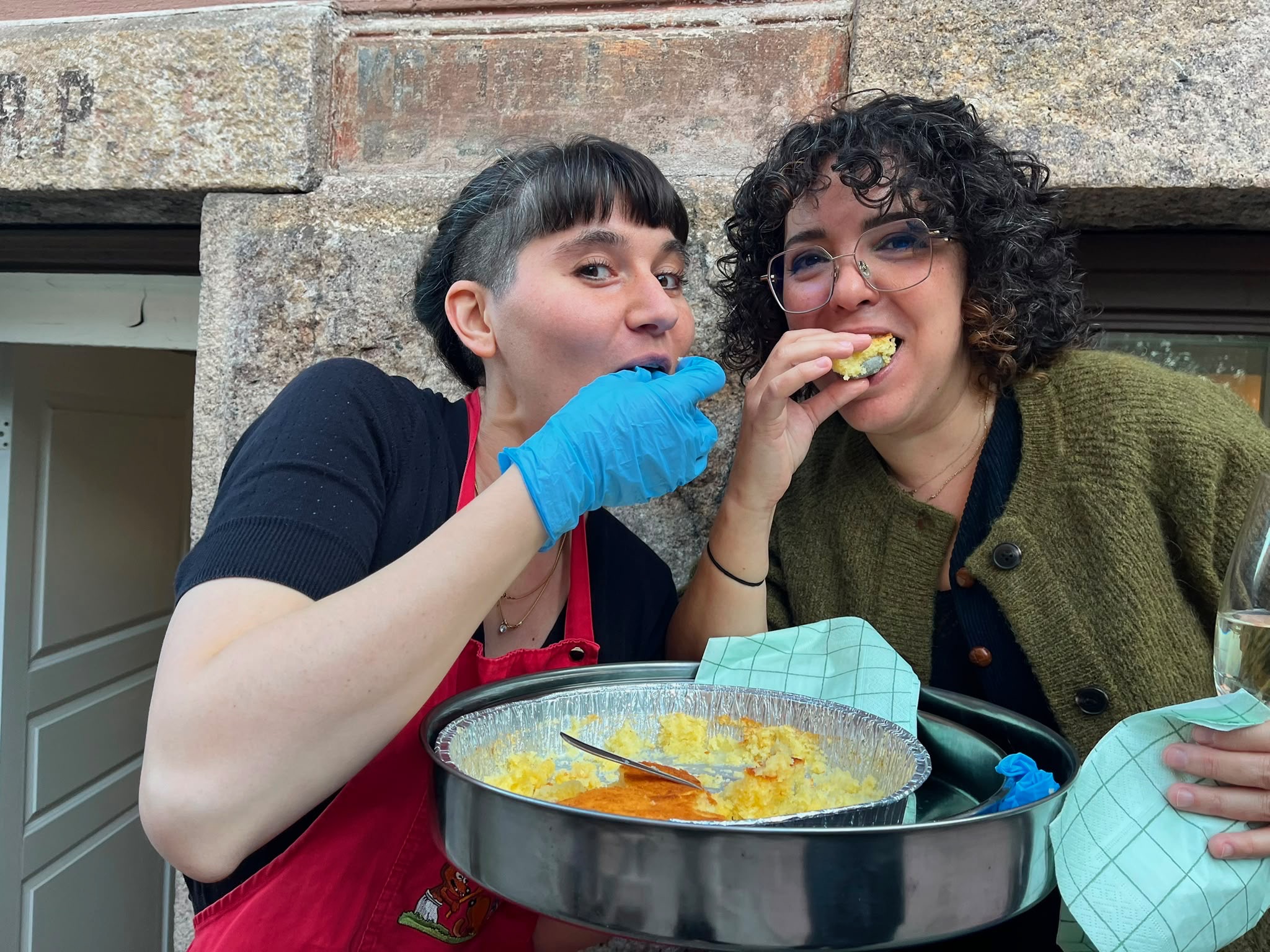
Doğa Çal is a Helsinki-based artist who cooks and works with video, installation, and performance, responding to sites and situations to explore belonging, care, disability, and accessibility with people. Drawing on her own experiences of living with type 1 diabetes and coeliac disease, Doğa cooks to hold an active space for different dietary needs and restrictions at social gatherings. Through Kitchen Testimonies, her cooking moves between creative catering, pop-ups, and artistic inquiry, exploring how food is prepared, shared, and experienced, and how the conditions of eating together might be reconsidered.

Taru Elfving is a Helsinki-based curator and writer committed to nurturing undisciplinary and site-sensitive enquiries at the intersections of ecological, feminist and decolonial practices. As director of CAA Contemporary Art Archipelago she currently leads a research residency programme on the island of Seili in the Baltic Sea in collaboration with the Archipelago Research Institute, University of Turku (FI). Her curatorial projects include Borås Art Biennial (2026), Research Pavilion (Uniarts, Helsinki, 2023), Hours, Years, Aeons (Finnish Pavilion, Venice Biennale 2015), Frontiers in Retreat (HIAP 2013-18), Contemporary Art Archipelago (Turku 2011 European Capital of Culture), and Towards a Future Present (Lofoten International Art Festival 2008). She has published internationally and co-edited publications such as Contemporary Artist Residencies (Valiz, 2019). She has a PhD from Visual Cultures, Goldsmiths University of London.
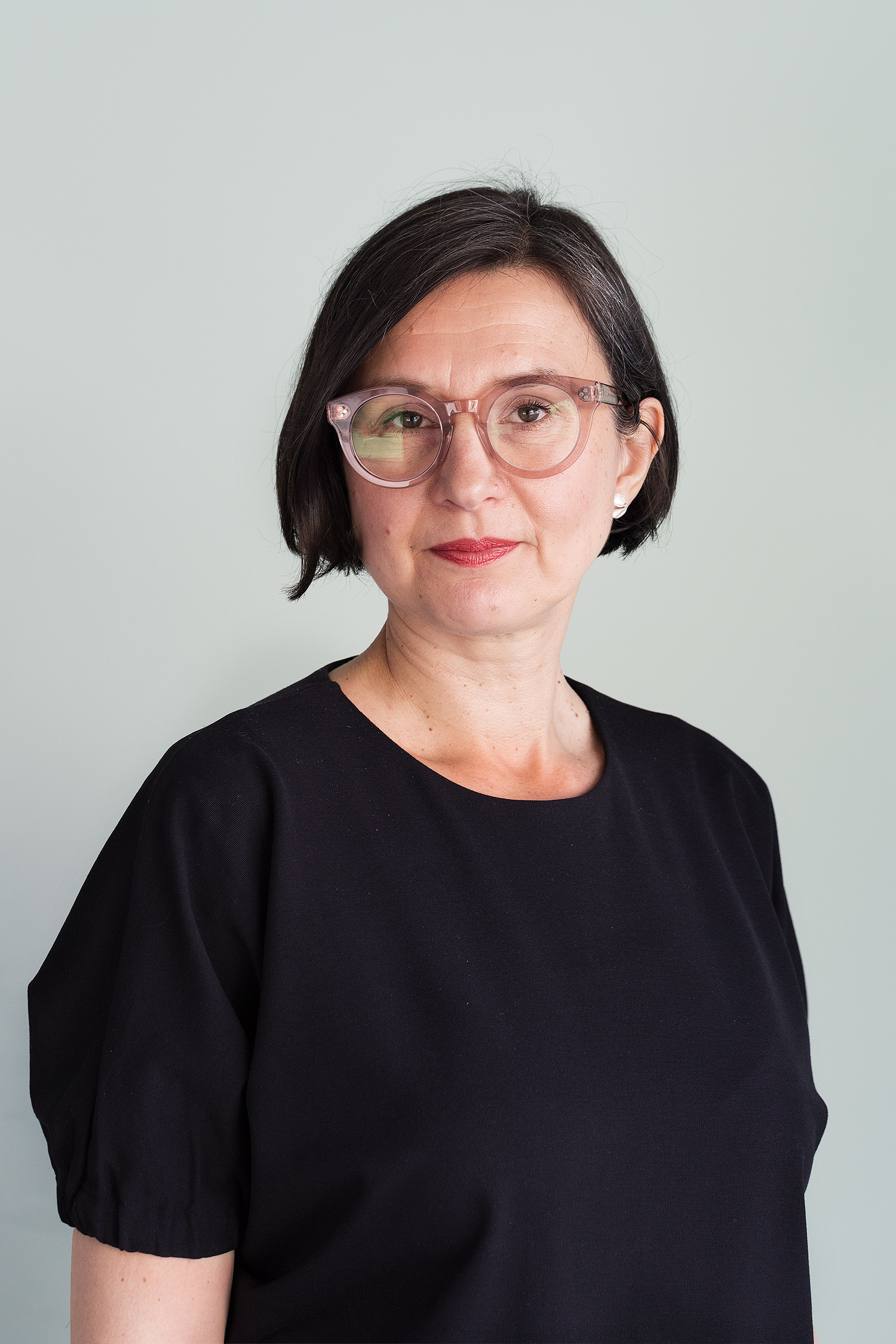

Orlan Ohtonen is a curator and writer based in Helsinki, Finland, currently holding the position of Curator of Exhibitions at the Finnish Museum of Photography. Ohtonen has been building self-organised platforms for intersectional curatorial practices as part of the collective ‘nynnyt’; as Co-Founder of feminist and anti-racist workspace Poimu; as Co-Founder and Co-Director of Feminist Culture House; and as Co-Founder and Co-Organiser of trans cultural sauna event series Sweat and Tears. He graduated from Aalto University in Helsinki with an MA in Curating, Managing and Mediating Art in 2015; and from Central Saint Martins in London with an MA in Fine Art in 2006. His curatorial practice and research are focused on investigating how trans and queer temporality, abolitionist politics, and activist curatorial praxis can generate transformative models of institutional change within contemporary museums. Ohtonen has written about the relationship between curatorial activism and cultural politics for several art publications, and is the Lead Editor of Curating & Repair, published in 2026 by 1000Words.
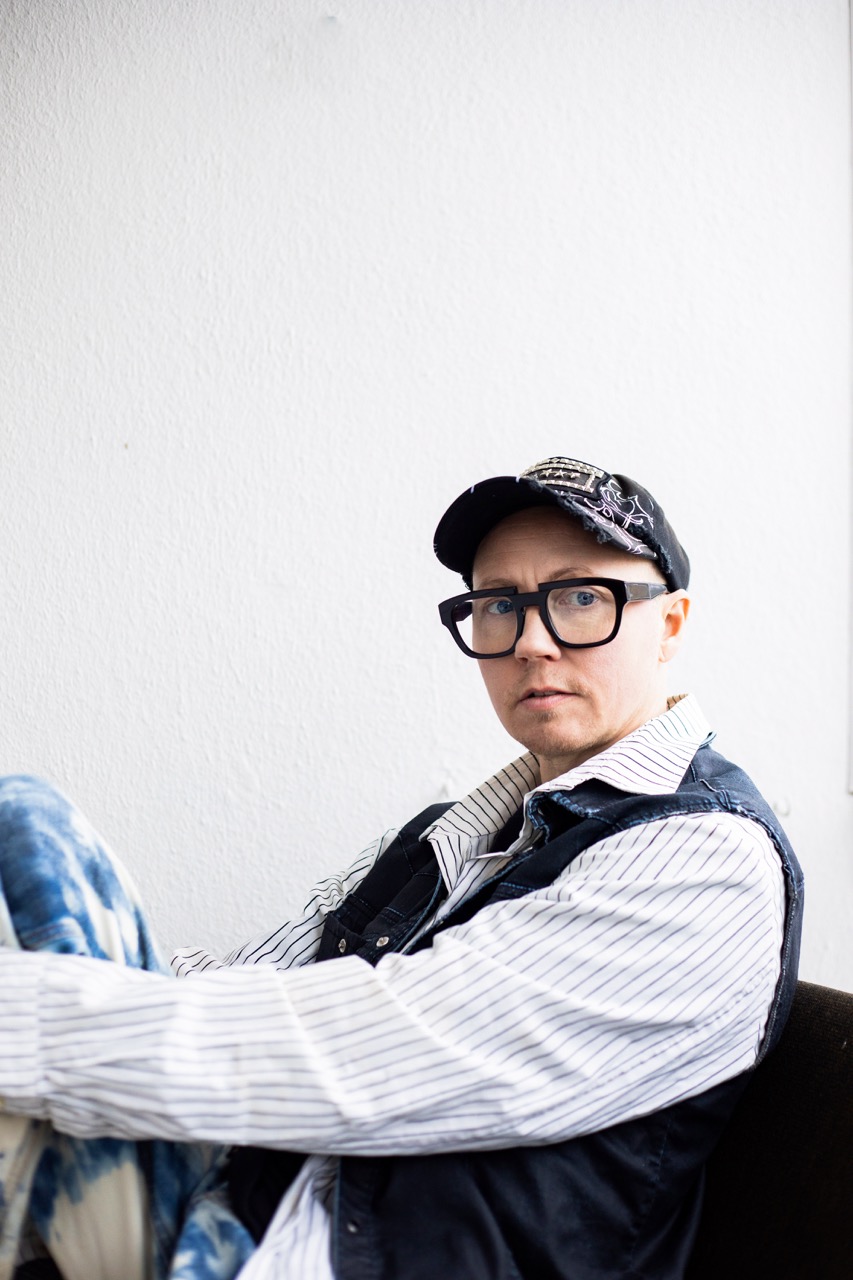

Matti Pohjonen is a Senior Researcher and Research Fellow in AI in Social Research on Diversity at the University of Helsinki, where he develops new methods for understanding emerging digital politics across global media contexts and explores the philosophical questions raised by AI as a new form of knowledge production. He has more than ten years of university teaching experience and received the SOAS Director’s Teaching Prize for Innovative Teaching in 2020.
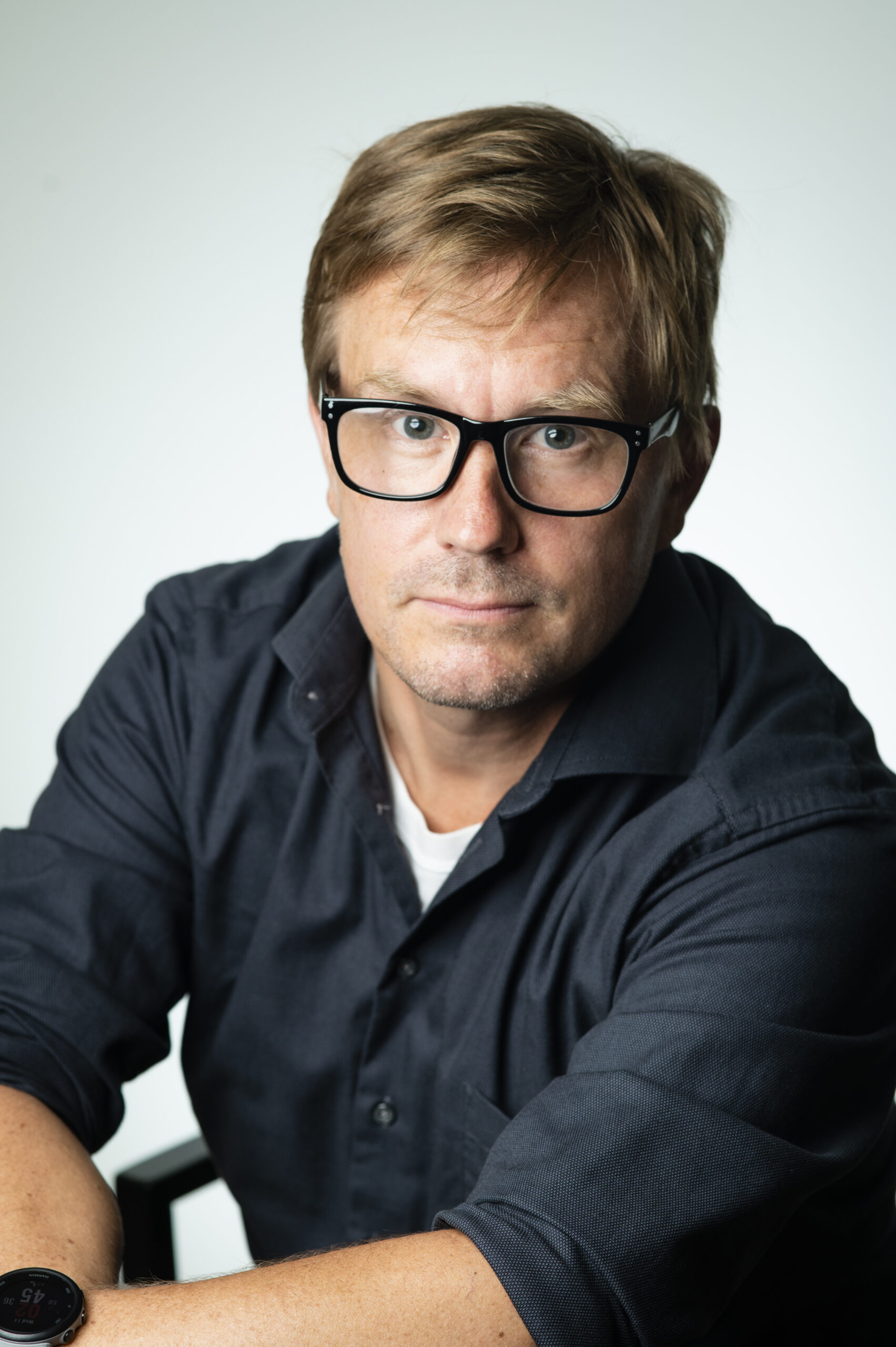

Screenings directors
Manthia Diawara was born in Mali, West Africa. He is a distinguished Professor of Comparative Literature and Film at New York University.
Manthia Diawara is a prolific writer and filmmaker. His essays on art, cinema and politics have appeared in The New York Times Magazine, LA Times, Libération, Mediapart, October and Artforum. He is the author of two acclaimed memoirs: In Search of Africa (Harvard University Press, 2000) and We Won’t Budge: An African in the World (Basic Books, 2008). He has published several books on African and African American cinema. Diawara’s notable films include: Angela Davis: A World of Greater Freedom (2023), AI: African Intelligence (2022), A Letter from Yene (2022), An Opera of the World (2017), Negritude: A Dialogue between Soyinka and Senghor (2016), Édouard Glissant, One World in Relation (2010), Maison Tropicale (2008) and Rouch in Reverse (1995).
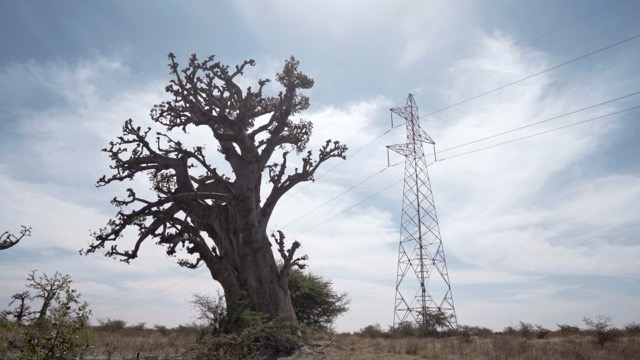

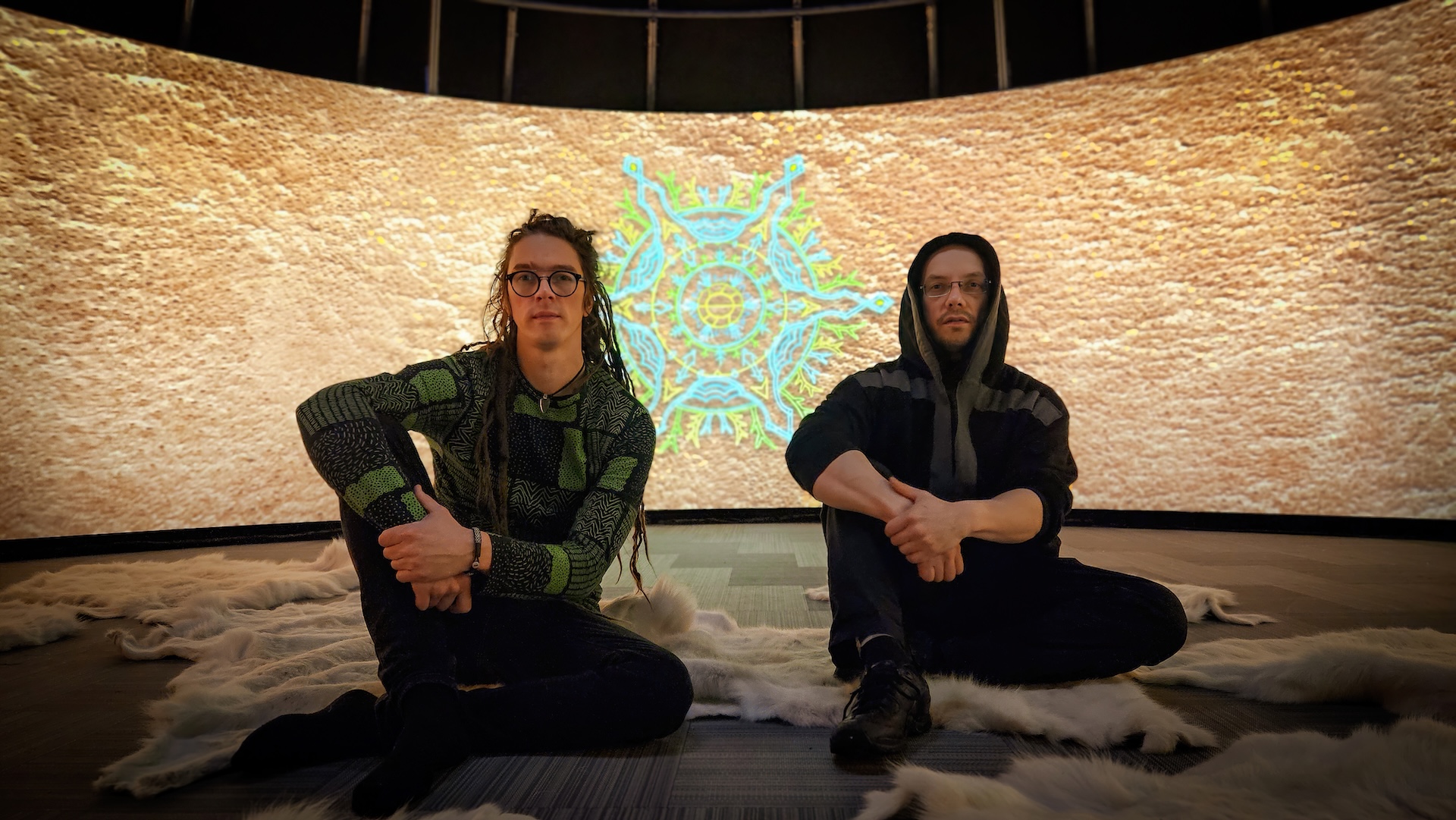
Arttu Nieminen, a Finnish media artist from Rovaniemi, creates works that are described as mysterious, flowing, and meditative. His pieces take on hallucinatory shapes, offering dreamy odes to the mystical aspects of nature and inviting viewers to explore the forest with fresh eyes.
Hans Pieski, a Sámi filmmaker from Utsjoki, crafts captivating and unique visual narratives with a surreal twist that dives in the intersection of indigenous culture and the Arctic environment.


 Minna Tarkka Lectures

 Read previous